Investors scanning listings in Southern California quickly notice unfamiliar status labels. One of the most confusing is "Active Under Contract," often seen alongside conversations about an Orange County real estate auction. They sound similar, but they describe very different situations. Understanding the difference helps you avoid wasted time and make smarter decisions about property acquisition.
What "Active Under Contract" Typically Means
In many California MLS systems, "Active Under Contract" generally indicates that the seller has accepted an offer, but the sale has not yet closed and the property may still accept backup offers. The details of how the status is used can vary, so ask the listing agent how it applies to a specific property.
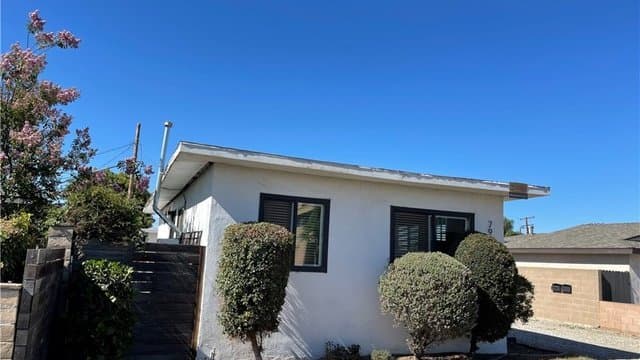
Our running example, 7921 Ronald Dr in Huntington Beach, carries this status per the listing profile. For a buyer, that means the property may be taken by another buyer, although a backup offer could be possible. A backup offer typically takes effect only if the first contract falls through, for example when a buyer cancels during a contingency period.
Why Contingencies Matter to Timing
Contracts usually include contingency periods during which a buyer can inspect the property, review financing, or examine documents, and in some cases cancel according to the contract terms. When a listing is under contract, the key question is where the first buyer stands:
- Have contingencies been removed? If so, the deal is more likely to proceed.
- Is the closing date near? A close date weeks away gives a backup buyer a longer wait.
- Is the seller open to backups? Ask the listing agent how backups are handled and what terms are acceptable.
None of this can be predicted with certainty, so a backup offer should never be your only plan.
How Auction Listings Differ
A trustee sale, often called a foreclosure auction, follows a different path. In California, the process typically begins with a notice of default, followed later by a notice of trustee's sale that announces a date and location. On the sale date, the property is generally offered to the highest bidder.
Several features usually distinguish an auction purchase from a standard resale:
- Payment: Buyers are typically required to pay with cash or a cashier's check, rather than relying on a normal loan contingency.
- Condition: Properties are typically sold as-is, often with limited or no opportunity for interior inspection.
- Title risk: Buyers may inherit certain recorded obligations, and junior liens can complicate matters.
- Speed: Sales can move quickly, and dates can be postponed or canceled.
Because each sale has its own particulars, a title report and legal review before bidding are common practice.
A Simple Due Diligence Routine
Whether you pursue a resale under contract or an auction, a repeatable routine helps:
- Confirm the status with the listing agent or the trustee's published information.
- Pull title and tax records using the property's parcel number. For the Ronald Dr example, the APN in the profile is 165-301-31.
- Check permits and planned improvements with the City of Huntington Beach.
- Run your numbers with conservative assumptions for repairs, holding costs, and vacancy.
- Line up funds and professionals such as an attorney, an escrow officer, and a licensed contractor.
Matching the Path to Your Goals
Investors with flexible timelines and strong cash positions may find auctions worth studying. Others may prefer the clearer structure of a resale with inspections and a lender. Neither route is automatically better. The right choice depends on your experience, capital, and tolerance for uncertainty.
Next Step
If you are weighing how an Active Under Contract listing or an auction might fit your strategy, reach out to Global Estate Hub to request a consultation on auction properties. We can talk through timelines, documents to review, and questions to bring to your attorney.
This article is general information, not legal, tax, or financial advice; property status and details are summarized from the listing profile, may change, and should be verified before you act with a licensed professional.