Rental owners tend to learn the same lesson quickly: what survives a tenancy matters more than what looks impressive on day one. In a coastal climate with sand, humidity, and frequent move-ins and move-outs, finishes face real stress. Choosing rental property flooring and fixtures with durability in mind is one of the more practical ways to approach a high ROI remodel. This article explains how to think about those choices, using the 7921 Ronald Dr compound as an example of a multi-unit setting where upkeep scales with every unit.
Think in Terms of Lifetime Cost
The cheapest option at installation is not always the cheapest over time. A better question is: what will this cost per year of use, including repairs, replacement, and the vacancy it may cause? Finishes that resist scratches, moisture, and stains can reduce turnover work, which matters when you manage several units on one lot.
No return is guaranteed, and results depend on the property, the tenants, and the market. Use bids from licensed contractors for your own numbers rather than relying on general figures.
Wood-Look Vinyl Plank: Why Landlords Choose It
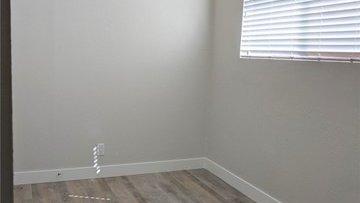
Wood-look luxury vinyl plank has become a common choice in rentals. Reasons landlords often cite include:
- Moisture tolerance: Many products handle kitchen and bath splashes better than traditional hardwood or laminate, though quality varies by product line.
- Scratch and wear resistance: A good wear layer can stand up to furniture, pets, and daily foot traffic.
- Fast replacement of damaged pieces: Many plank systems allow individual planks to be swapped.
- Appearance: A wood-look finish tends to feel warm and current, which helps listings stand out.
Trade-offs exist. Vinyl can dent under heavy loads, and lower-grade products may fade or separate. Subfloor preparation matters, especially in older homes. Per the listing profile, the main homes on this property were built in 1957, so a careful inspection of the existing floor surface and structure is a sensible first step.
Ceiling Fans and Fixtures That Earn Their Keep
Modern ceiling fans do more than move air. In a coastal area with mild temperatures, a good fan can improve comfort in warm months and reduce reliance on mechanical cooling. When choosing fixtures for rentals, look for:
- Simple, sturdy construction: Fewer decorative parts means fewer things to break.
- Integrated or easily replaceable lighting: LED options last a long time and reduce bulb replacement.
- Standard hardware: Common sizes and fittings make repairs simple.
- Quiet operation: Tenants notice noise, and complaints create work.
Faucets, door hardware, and lighting follow the same logic. Select finishes in a consistent style so replacement parts are easy to source across every unit.
Coastal Conditions to Plan For
Huntington Beach's proximity to the ocean brings salt air, humidity, and sand. Fixtures with corrosion-resistant finishes, sealed edges around wet areas, and good ventilation tend to age better. Ask contractors which materials they trust in coastal homes, and confirm warranty terms in writing.
Where the Money Goes First
If your budget is limited, a reasonable order to consider is:
- Safety and code items: Electrical, plumbing, smoke and carbon monoxide alarms.
- Water control: Roof, leaks, and ventilation.
- Flooring in high-traffic areas: Living spaces, kitchens, and hallways.
- Lighting and fans: Practical, low-cost improvements with visible impact.
- Paint and touch-ups: Neutral colors that are easy to refresh.
Permits may be required for some electrical or structural work, so confirm with the City of Huntington Beach Building Division.
Next Step
If you want a clearer framework for choosing finishes that hold up, reach out to Global Estate Hub to read our Landlord Renovation Playbook discussion and compare options for your property. We can talk through priorities and connect you with licensed professionals for estimates.
This article is general information, not legal, tax, or financial advice; property details are summarized from the listing profile and should be verified, and you should consult licensed contractors and other professionals before investing in upgrades.